how burial containers and other funeral goods are priced, sold and regulated when a family is arranging a burial or cremation
Buying a casket elsewhere? What to check before the truck shows up
The Funeral Rule bars handling fees on a casket you supply yourself, but the freight, the sizing and the delivery window are still yours to manage.
Stellwagen Charter Boats
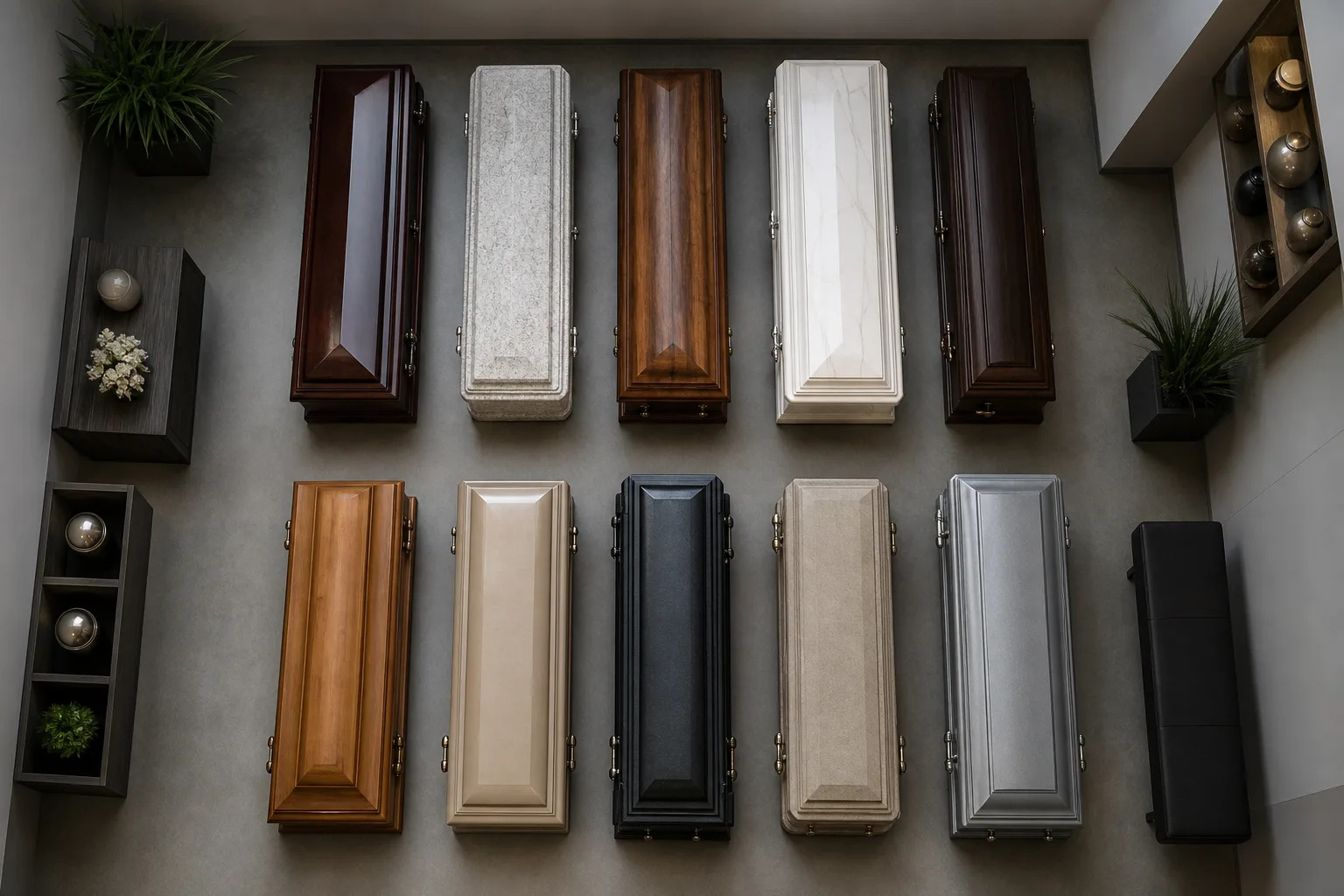
The showroom price list and the wholesale catalog rarely describe the same casket in the same words, which is exactly why families start comparing them, and once a family finds a twenty-gauge steel unit online for a fraction of the funeral home's figure, the next question is whether the funeral home has to accept it. It does. The Federal Trade Commission is responsible for the Funeral Rule, and that rule bars a provider from refusing to handle a casket a family bought elsewhere, and bars charging a fee for doing so. That is the legal part, and it is the simple part.
What the rule settles, and what it leaves to you
A provider cannot condition its services on buying the container in-house, cannot add a handling charge, a receiving charge, or a surcharge dressed up under another name, and cannot require you to be present when the casket is delivered. The basic services fee still applies, as it does for every arrangement, and the provider may still price its own caskets however it likes. What the rule does not do is move freight, uncrate anything, or guarantee that a box built to a catalog spec fits the grave opening you already bought. Those stay with the family, or with whoever the family delegates them to.
Showroom purchase compared with outside purchase, item by item
Buying in the showroom means one invoice, one point of accountability, and a casket that is already in the building, dusted, and sized to the vault the cemetery requires. Buying from an outside seller means a lower unit price, a separate shipping charge that is sometimes bundled and sometimes not, and a delivery date you are relying on a common carrier to hit. The trade is real and it runs both directions: the showroom charges more and absorbs the logistics, while the outside seller charges less and hands the logistics back. A careful reader prices both columns before deciding which one is actually cheaper.
The gap narrows when the service date is close. Most online sellers advertise next-day or two-day delivery on stocked models, and many do meet it, but the promise is a shipping window rather than a scheduled appointment, and a truck that arrives Tuesday afternoon instead of Tuesday morning is not late by the carrier's definition. If the visitation is Tuesday evening, that difference matters enormously. Ask the seller which carrier is used, whether the shipment moves as freight on a pallet or in a crate, and whether the delivery is guaranteed by time of day or only by date. Get the answer in writing.
Freight damage, sizing, and the person who signs
Freight damage is the failure mode nobody mentions in the checkout flow. A casket ships crated or palletized, it gets forklifted at least twice, and a corner scuff or a dented rail is not rare. The signature on the delivery receipt is where the claim is won or lost, because a clean signature typically closes the carrier's exposure. So somebody has to open or at least inspect the crate at the door, note damage on the paperwork before signing, and photograph it. That person is usually the funeral director, who is doing you a favor and is not obligated to inspect on your behalf. Ask first, and confirm the arrangement by email.
Sizing is the other quiet problem. Standard adult caskets run roughly the same exterior footprint, but oversize models, twenty-eight or thirty-one inches wide inside, will not fit a standard outer burial container, and the cemetery sells the vault, not the seller. Confirm interior width against the vault spec before you order, not after the crate is on the loading dock, because returning a casket by freight is slow and often costs more than the discount that attracted you. Also confirm the funeral home's storage limits, since a casket delivered four days early has to sit somewhere.
Where the comparison usually lands
Outside purchase works well when there is time, when the model is a standard size, when someone reliable will be at the receiving door, and when the savings survive the shipping line on the invoice. Showroom purchase works well when the service is soon, when the deceased needs an oversize interior, or when nobody in the family wants to manage a freight claim during a week that is already hard. Both are legitimate, and asking a funeral director directly which one he would choose for this particular timeline tends to produce a straight answer.
Write down the delivery date, the carrier, the interior width, and the name of the person who will sign. Four facts, one index card, and most of what can go wrong stops being able to.